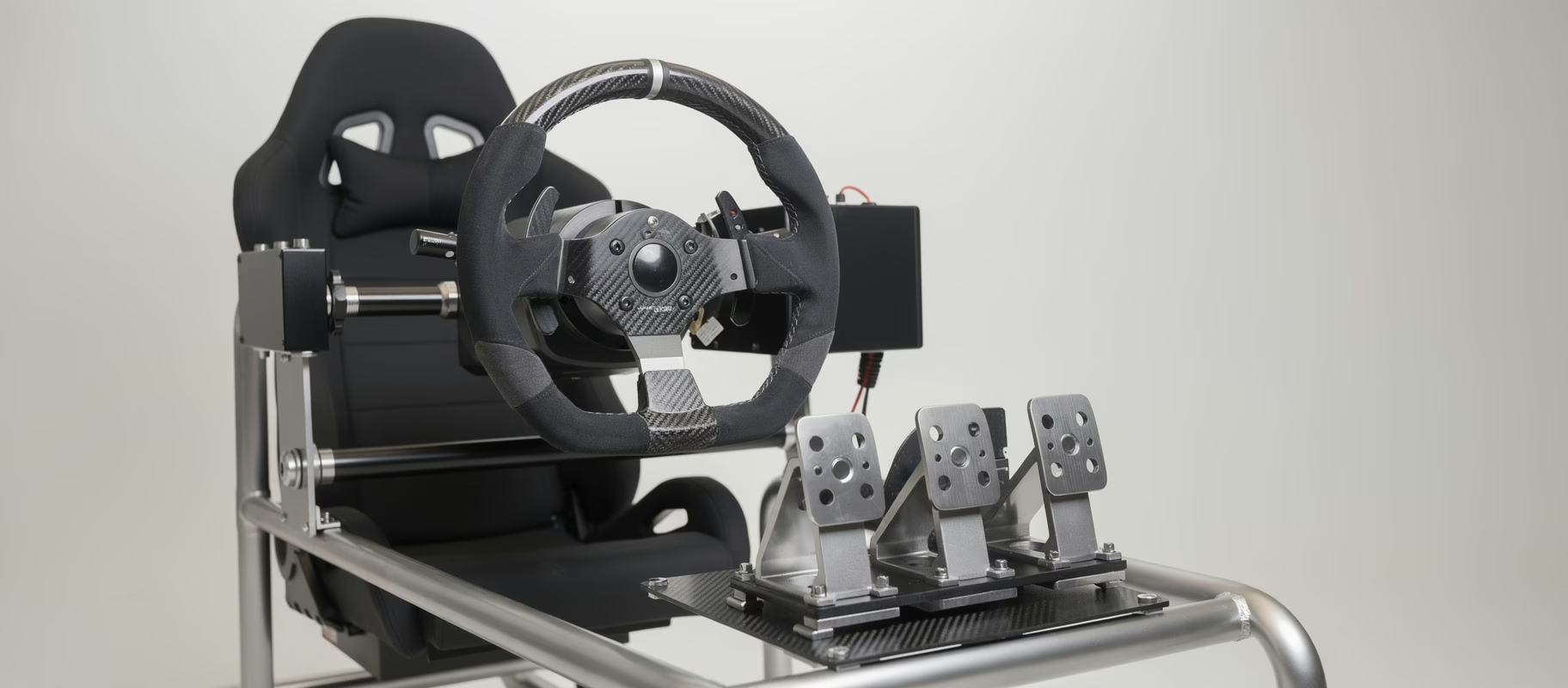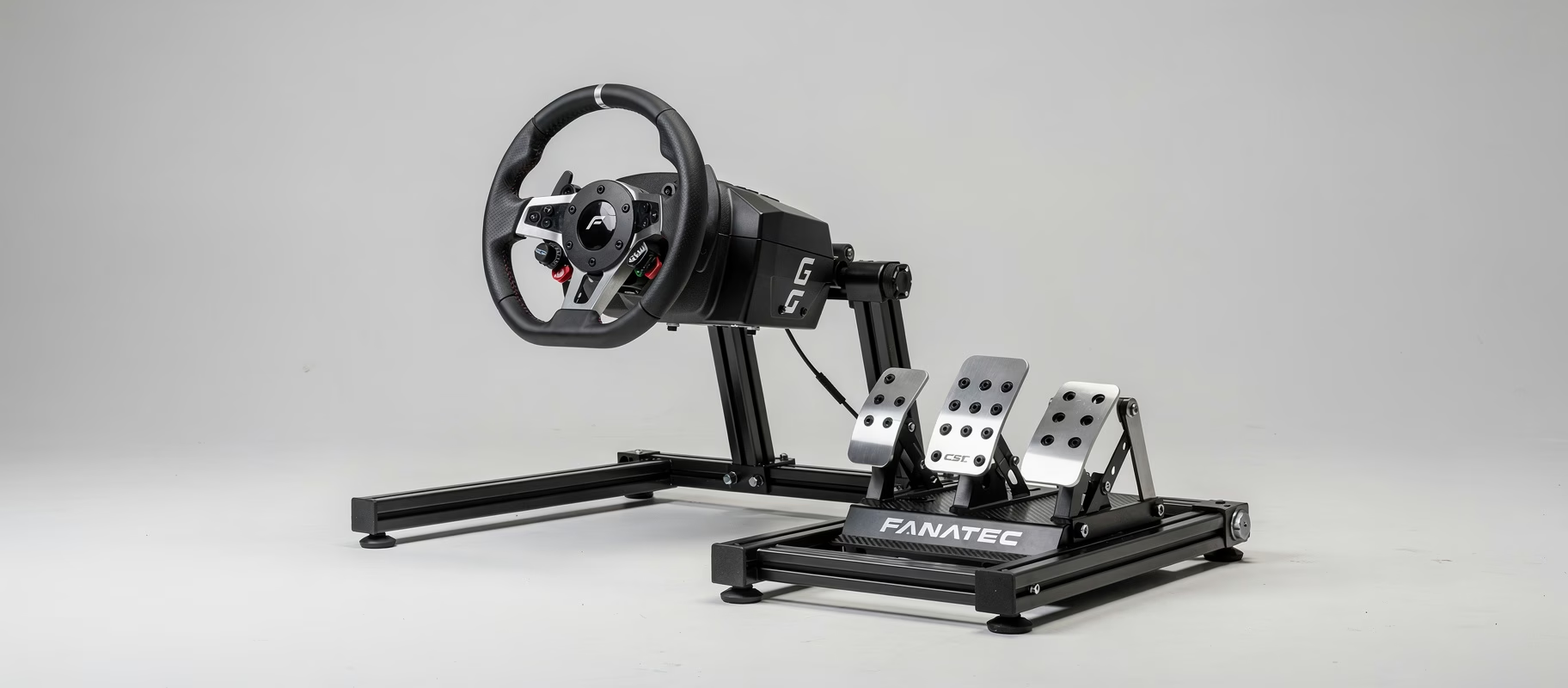
My first DIY rig was garbage. Wobbly, uncomfortable, and the wheel mount flexed so badly that my Fanatec Podium DD2 felt like a toy. I’d used profile that was too thin, skipped the triangular bracing, and bolted the seat at the wrong angle. It lasted two weeks before I tore it apart and started over.
The second attempt? Still racing on it. Every dimension fits me. Every angle is right. And I built it for about half the price of a comparable pre-built cockpit.
That’s the pitch for DIY. You get exactly what you want, and you save money doing it. But you have to actually know what you’re doing. So here’s what I’ve learned, including the mistakes.
Why Build Your Own?
- It’s cheaper. A pre-built rig of equal quality costs two to three times more.
- It fits you. Every measurement, every angle, your body. Long legs? Weird monitor position? You decide.
- It grows with you. Aluminum profile is modular. Upgrading to a stronger wheelbase or adding a motion platform means adjusting, not rebuilding.
If you can follow instructions and use basic tools, you can build a rig. It’s not rocket science. It’s just… bolts and aluminum.
The Frame: Aluminum Profile (8020)
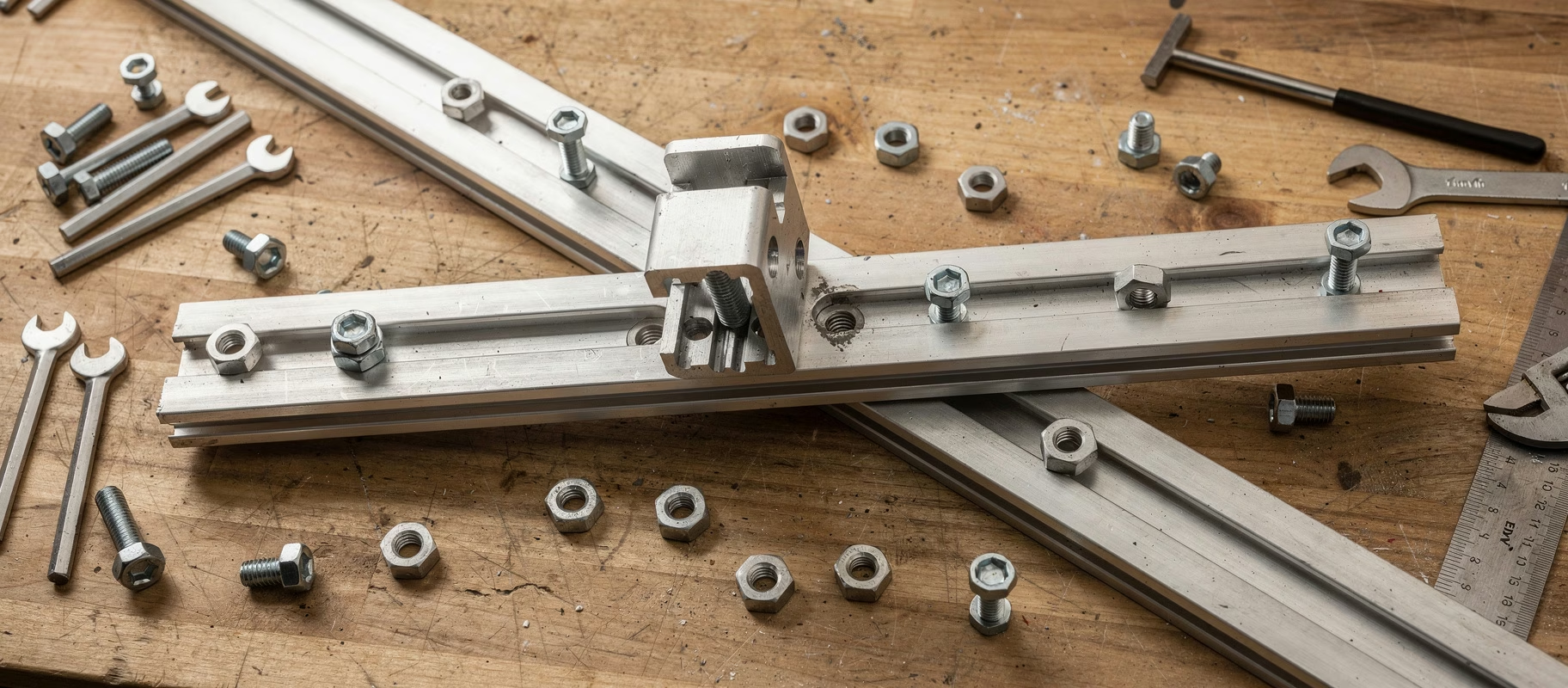
This is the skeleton. Aluminum profile (often called 8020, after a big manufacturer) is strong, light, and you can adjust everything.
Shopping List
Three things you need:
- Profiles. 40x40mm or 40x80mm for the main structure. 20x20mm for smaller mounts and accessories.
- Connectors. Corner brackets, T-slot plates, joining pieces.
- Fasteners. T-slot nuts (usually M8) and matching bolts.
Good suppliers in Europe:
- Motedis is the sim racing community favorite. Their SR-1 and SR-2 kits are solid starting points.
- Item and Bosch Rexroth for industrial-grade profile.
- Alu-Profiel-Shop.nl / Aluminiumprofielshop.be for local options.
Don’t blindly buy a kit. Sketch your design first (paper is fine), make a parts list, then order. You’ll waste less and spend less on shipping.
Building It
- Plan. Formula seating or GT? Measure yourself. Fixed or adjustable wheel/pedal deck? Use Rigmetrix to map it out digitally.
- Cut to size. Most suppliers do this for a small fee. Worth it.
- Base frame first. Undercarriage and seat angle. Square and level before you tighten anything.
- Seat. Scrapyard car seats go for €50-€150 for a decent sports seat. Or get a proper racing bucket. Bolt it down with adapter plates.
- Wheel and pedal deck. This is where stiffness matters most. Use 40x80mm or double 40x40mm profiles. Add triangular bracing. Don’t skip this step, especially if you’re running direct drive.
Mounting Your Hardware
The Wheelbase
DD wheelbases need a rock-solid mount. Any flex kills force feedback detail. Use aluminum or steel mounting plates, at least 10mm thick. For something like a Simagic Alpha Evo Sport or Fanatec Podium DD2, you’ll need a proper adapter plate (€40-€80 from specialist shops or the DIY community). Use elongated mounting holes so you can fine-tune position later.
The Pedal Plate
Same principle: no flex. A single layer of profile usually isn’t enough for load cell pedals. Double it up, or use a thick (8-10mm) aluminum plate on top. Build in angle adjustment so you can tilt the pedals to your preference.
Cables
Plan this from the start. Seriously. Cable ducts, spiral wrap, velcro straps. USB hubs and power strips within reach but hidden. Doing it after the build is five times harder and looks terrible.
3D Printing: Where It Gets Personal
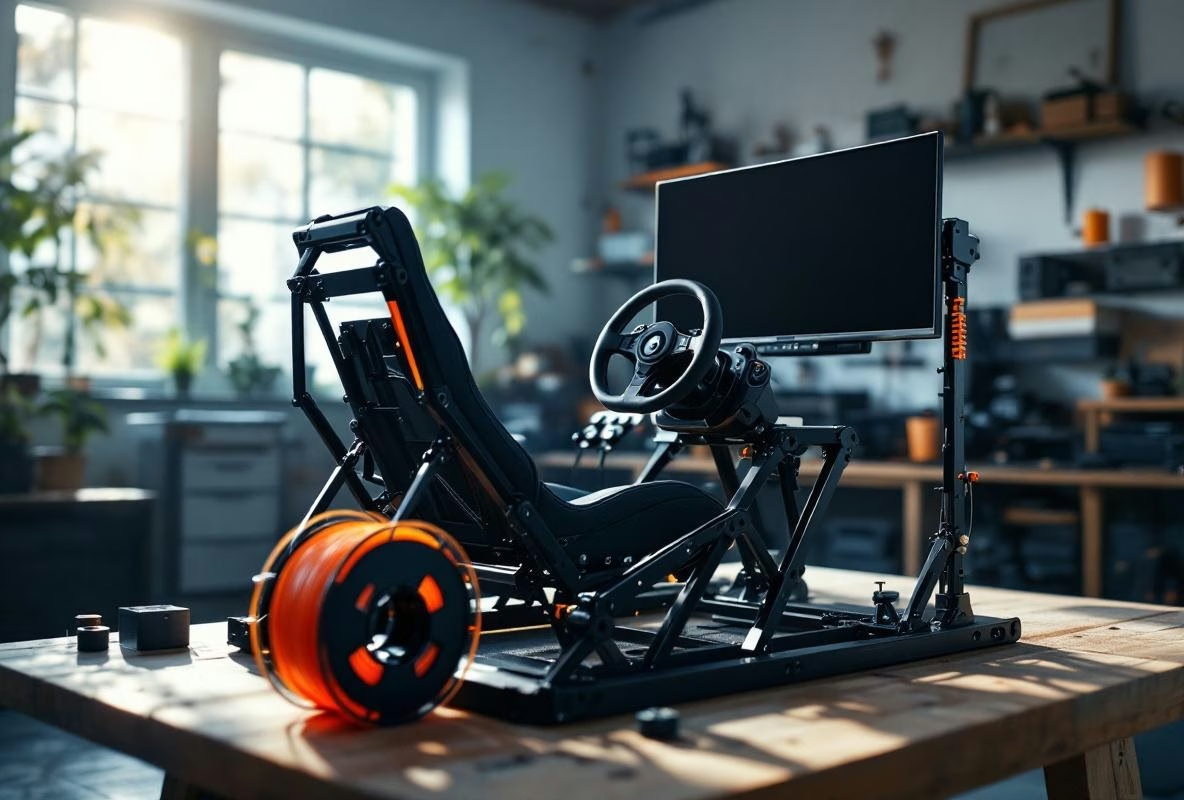
Got a 3D printer? (A Creality Ender 3 starts around €200.) This is where your rig stops looking like everyone else’s.
What to print:
- Button boxes with exactly the switches and encoders you want
- Mounts for headsets, phones, cup holders, stream decks
- Adapter plates and spacers for weird mounting situations
- Custom cable guides and clips
Materials: PLA for most mounts (easy to print, strong enough). PETG if heat resistance matters (near electronics). ABS for max strength but it’s fiddly to print.
Finding designs: Thingiverse, Printables, and Cults 3D are full of sim racing-specific designs. Search for “sim rig”, “button box”, or your hardware model. Or design your own in Tinkercad (simple) or Fusion 360 (powerful). Measure twice, print once.
Going Further
Once the basics are sorted, you can go deep:
- Motion platforms. SFX-100 kits (full DIY) or PT-Actuator (more turnkey). Plan for this from the start, because your frame needs extra reinforcement.
- Bass shakers. Cheap, simple to install, massive impact on immersion. 3D-printed mounts work perfectly.
- LEDs, custom knobs, paint. The stuff that makes it yours.
The Mistakes Everyone Makes
- Profile too thin. 20x20mm is fine for a monitor arm. Not for a pedal plate under 80kg of brake force.
- Wheel deck flex. The number one complaint. Push hard on your wheel mount before you tighten everything down. If it moves, add bracing.
- Ignoring ergonomics. The stiffest rig in the world is useless if your back hurts after 30 minutes. Take time to get seat, wheel, and pedal positions right.
- Cable management last. Plan it first. Trust me.
A DIY rig is a project that keeps giving. Build it right, and you’ll be tweaking and upgrading for years. The community (especially the Dutch and Belgian sim racing scene) is full of people who’ve done it before and are happy to help. Post your build. Ask questions. And when it’s done, go race.